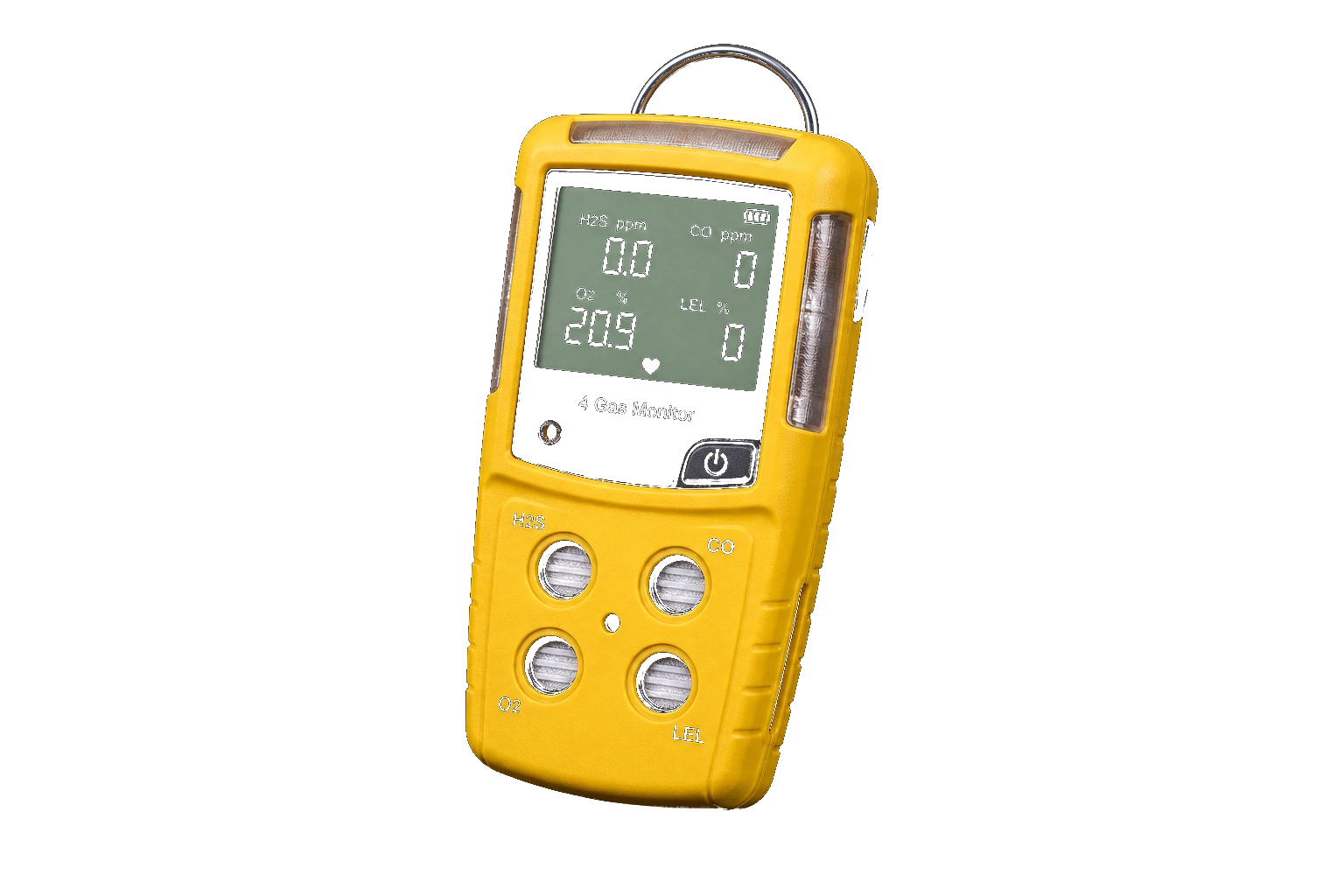
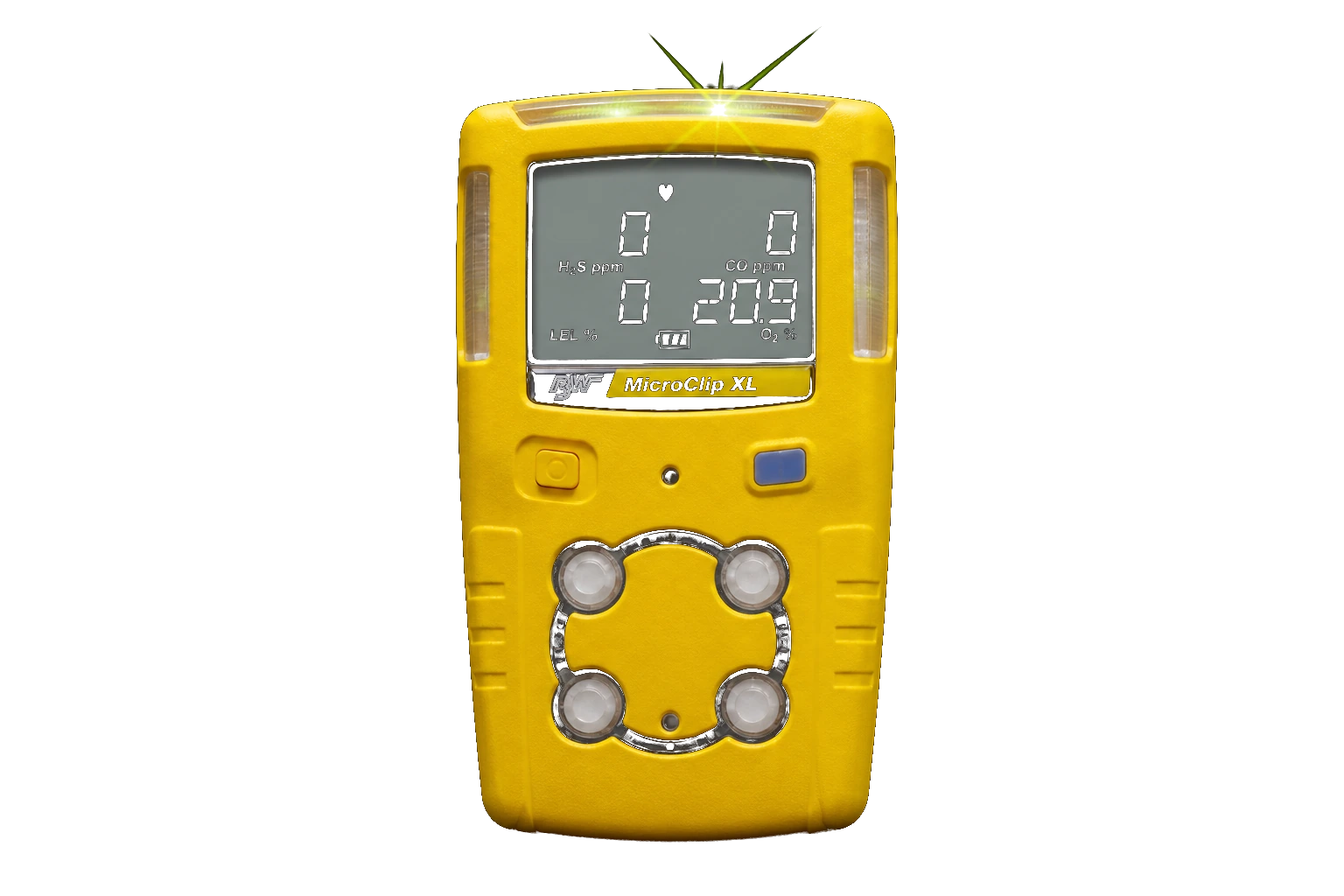
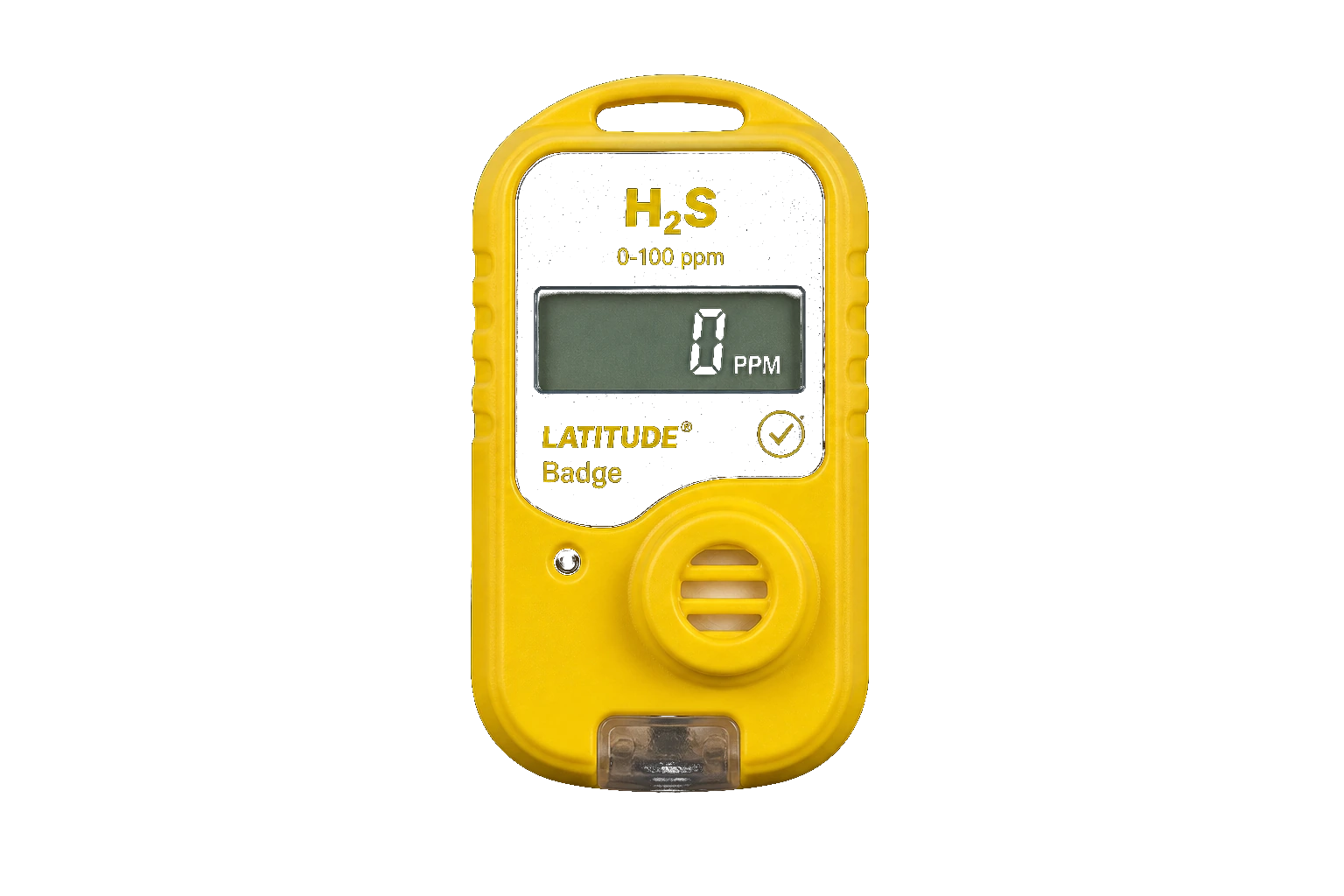
Multi-gas monitors, H₂S personal clips, and calibration systems for oil & gas, refineries, construction, and confined-space work — supplied by Stronghold Safety Solution LLC, Muscat.
H₂S · CO · O₂ · LELATEX / IECEx ratedNationwide deliveryCalibration support
4-Gas
Standard configuration
H₂S, CO, O₂ and combustibles (LEL) in one unit.
−20°C
Cold-start rated
MicroClip XL and Max XT II for desert night shifts.
24 mo
H₂S clip service life
Maintenance-free disposable personal monitors.
IP68
Rugged protection
Water and dust resistance for harsh Omani sites.
What Your Gas Detector Should Monitor
The four-gas configuration is the backbone of atmospheric testing on Omani oil & gas and industrial sites. Understanding each sensor helps you choose the right monitor and set correct alarm thresholds.
H₂S
Hydrogen Sulphide
Toxic gas from sour crude, sewage, and decaying organic matter — common in Oman's oil fields and confined spaces.
Typical TWA: 10 ppm · STEL: 15 ppm
CO
Carbon Monoxide
Colourless, odourless gas from incomplete combustion — generators, vehicle exhaust, and welding in enclosed areas.
Typical alarm: 35 ppm TWA
O₂
Oxygen
Both deficiency (<19.5%) and enrichment (>23.5%) are hazardous in tanks, vessels, and nitrogen-purged systems.
Safe range: 19.5% – 23.5%
LEL
Combustibles / LEL
Lower Explosive Limit monitoring for methane, propane, and hydrocarbon vapours at refineries and fuel storage.
Alarm typically at 10% LEL (1% gas in air)
Gas Detectors We Supply in Oman
BW Technologies / Honeywell GasAlert portable monitors — the same class of instruments used on oil & gas projects across the GCC. Ask us for current stock, project pricing, and calibration accessories.
Most popular · Sample pump
BW Technologies / Honeywell
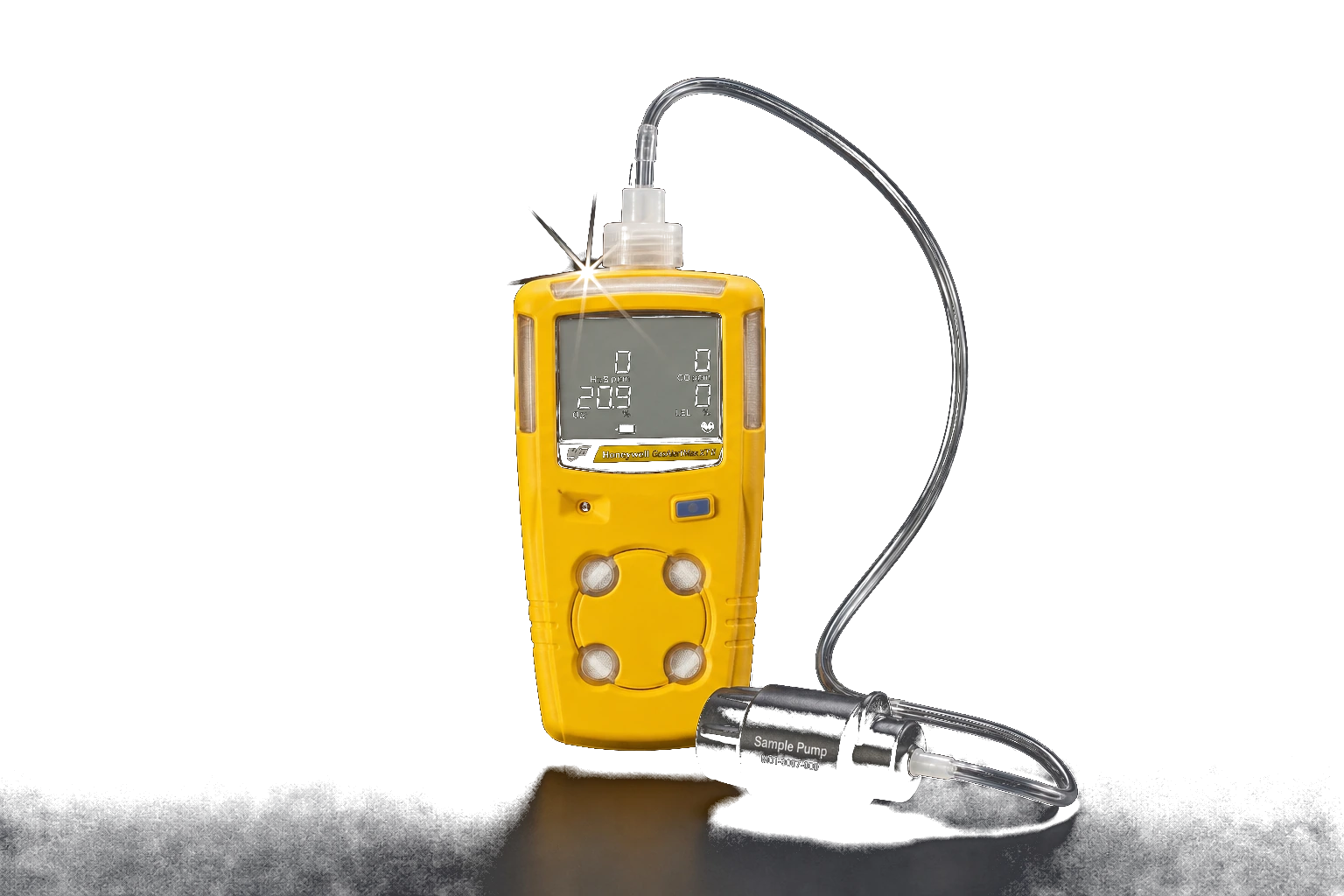
Multi Gas — Max XT II
GasAlert Max XT II with Smart Sample Pump
H₂SCOO₂LEL
Monitors H₂S, CO, O₂ and combustibles (LEL) simultaneously
One-button operation with robust motorized sample pump
Compatible with MicroDock II automated calibration dock
Rugged, intrinsically safe gas detection built for the demands of Omani industrial environments.
Four-gas monitoring
Simultaneous H₂S, CO, O₂ and LEL detection — the standard for Omani oil & gas permit-to-work.
ATEX / IECEx rated
Intrinsically safe models for Zone 0/1 hazardous areas at refineries and tank farms.
Cold-weather ready
MicroClip XL and Max XT II operate from −20°C — suited to desert nights and winter turnarounds.
Docking & calibration
MicroDock II fleet management — automated bump tests and calibration records for audits.
Gas Detectors on Omani Industrial Sites
From refinery pipe racks to construction welfare areas — portable gas detection protects workers where atmospheric hazards cannot be seen or smelled. Our original site photography documents real-world use across the Sultanate.
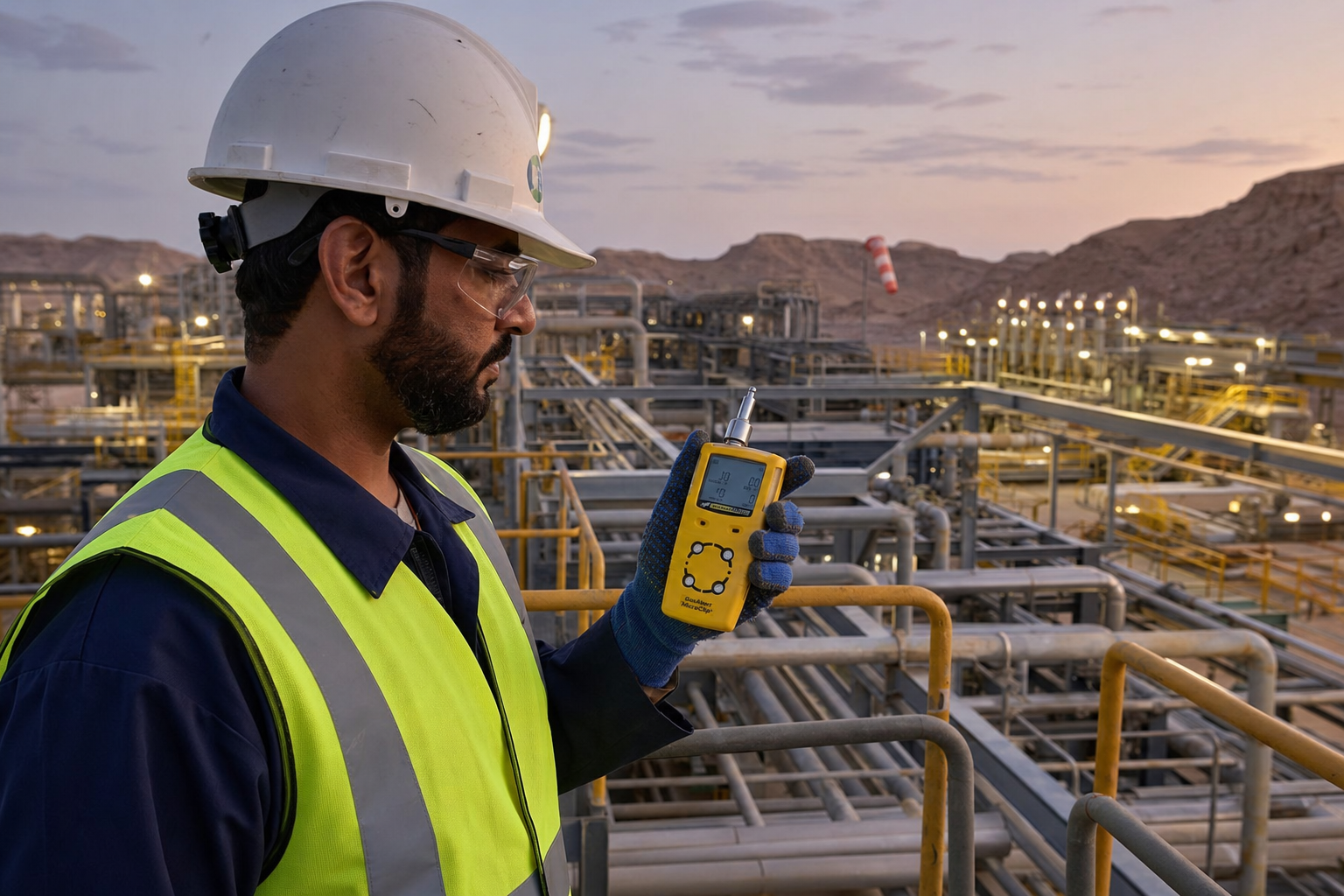
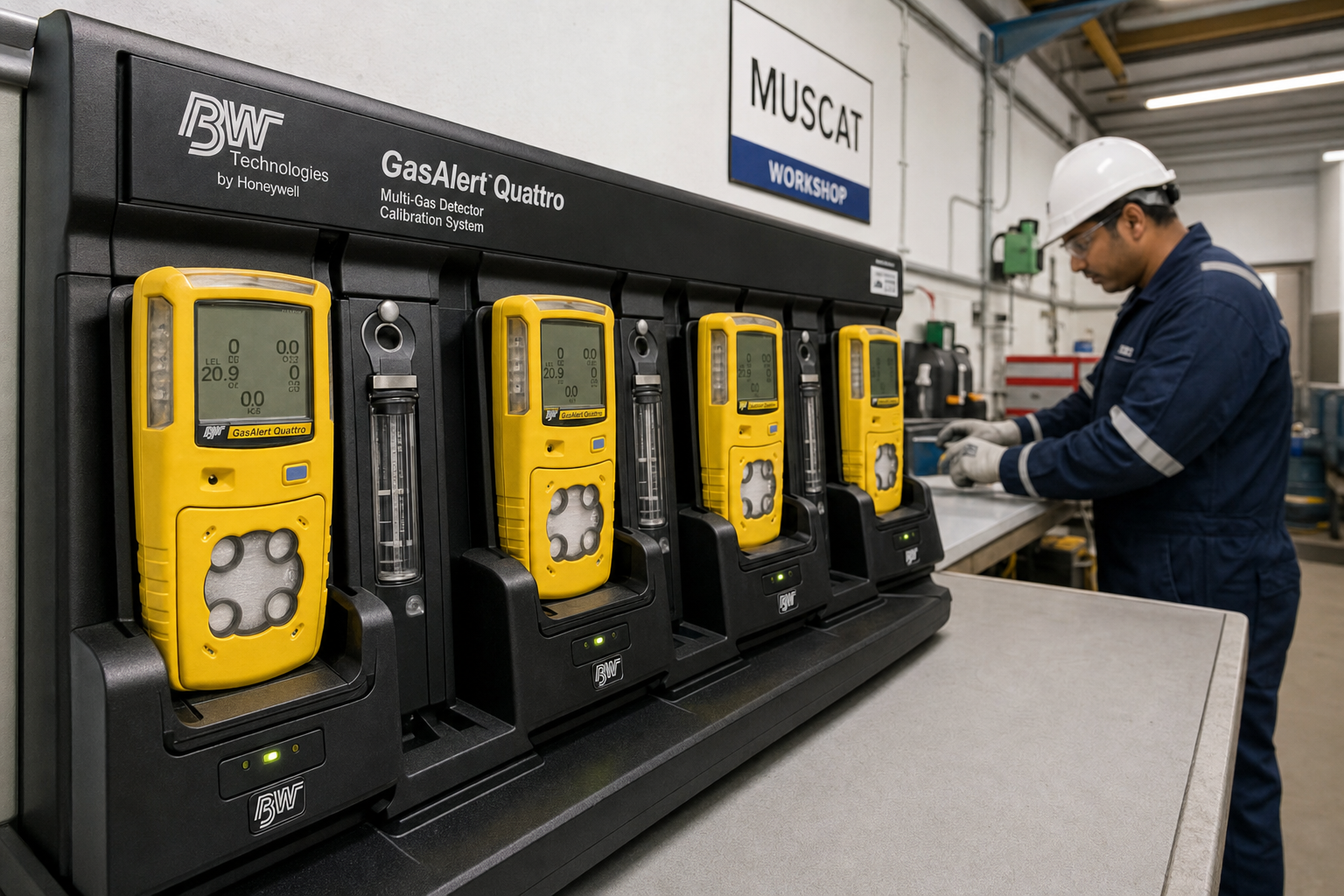
Pre-entry atmosphere check at an Oman refinery pipe rack — four-gas monitor in daily useFleet bump-test and calibration docking — audit-ready records for HSE compliance
Oil & gas upstream
Wellheads, manifolds, and production facilities across PDO, BP Oman, and E&P contract areas.
Refineries & terminals
ORPIC Sohar, Mina al Fahal, and fuel storage terminals requiring continuous LEL monitoring.
Confined spaces
Vessel entry, tank cleaning, and sewer work — pre-entry atmosphere testing and continuous wear.
Construction & camps
Generator rooms, welding bays, and excavation near buried fuel lines on Muscat project sites.
Gas Detection in Oman — What You Should Know
Practical guidance for HSE managers, permit issuers, and procurement teams sourcing gas detectors in the Sultanate.
Permit-to-work atmosphere testing
Before any hot work or confined-space entry on Omani oil & gas sites, a competent person must verify the atmosphere with a calibrated gas detector. Fire Supplies Oman supplies the monitors and can advise on fleet sizing for your PTW programme.
H₂S in sour fields
Hydrogen sulphide is a primary hazard in sour crude operations. Personal H₂S clips and four-gas monitors are standard PPE for field operators, technicians, and inspection teams across the Sultanate.
ROP & Civil Defence alignment
Fire safety and occupational health inspections increasingly expect documented gas-detection programmes for facilities handling flammable liquids and gases. Maintain calibration records alongside your fire extinguisher and spill kit logs.
Desert climate considerations
High ambient temperatures and sand ingress demand rugged, IP-rated detectors. Store units in shaded kit boxes, bump-test before each shift, and use the MicroClip XL for reliable cold-start performance on night shifts.
Calibration & Bump Testing
A gas detector is only as reliable as its last calibration. Include bump tests in your daily toolbox talk and full span calibrations in your planned maintenance schedule — most Oman operators require six-monthly calibration as minimum.
1
Zero the sensor in fresh air (or zero-cal gas) per manufacturer procedure.
2
Apply span gas at the target concentration (e.g. 25 ppm H₂S, 50% LEL methane).
3
Confirm readings stabilise within acceptable tolerance — adjust if needed.
4
Log date, gas lot number, result, and operator on your calibration register.
5
Dock units in MicroDock II for automated bump tests between full calibrations.
Calibration consumables
Calibration gas cylinders (H₂S, CO, CH₄, O₂ blends)
Demand-flow regulators and tubing kits
MicroDock II automated test stations
Replacement sensors and battery packs
Carrying cases and charging cradles
Before each use
Confirm battery charge and sensor warm-up complete.
Bump test against known gas concentration.
Check alarm audibility and vibration in noisy environments.
Inspect probe hose and inlet filter for blockages.
Record results in your PTW or isolation log.
Frequently Asked Questions
Common questions about buying and using gas detectors in Oman.
Equip your team with gas detectors today
Fire Supplies Oman supplies portable multi-gas monitors, H₂S clips, calibration gas, and docking stations for projects of every size — from single-unit orders to fleet procurement for turnarounds and construction camps. Delivery across Muscat and the Sultanate.